









THE CONVENTION: COMPROMISE IN A CLOSED ROOM
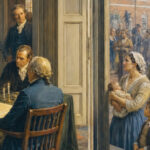
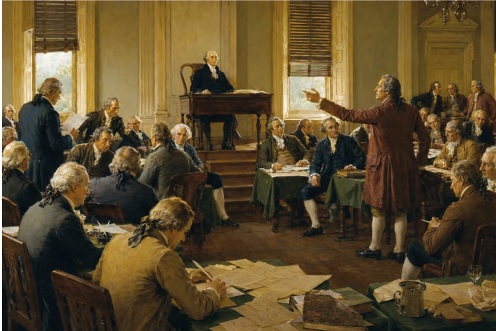
Fifty-five delegates attended at various times; thirty-nine ultimately signed. They were lawyers, merchants, planters, physicians, soldiers and public officials-experienced and generally affluent men. Women, Native Americans, Black Americans and most ordinary laborers were absent from formal participation. Rhode Island sent no delegation. The Convention nevertheless contained sharp disagreement rather than social unanimity. George Washington presided, lending legitimacy. James Madison arrived with extensive preparation and became a leading architect and note-taker. Benjamin Franklin, aged eighty-one, urged compromise. Alexander Hamilton advocated energetic national power. Other delegates defended small-state equality, local authority or regional economic interests.
THE GREAT COMPROMISE
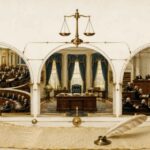
The Virginia Plan favored representation based largely on population; the New Jersey Plan protected equal state voting. The Connecticut-or Great-Compromise created a bicameral Congress: representation by population in the House and equal state representation in the Senate. Legislation would require agreement between institutions expressing two different principles of political equality.
The Constitution was not discovered in a flash of genius. It was builtthrough argument, bargaining, principle and compromise.”