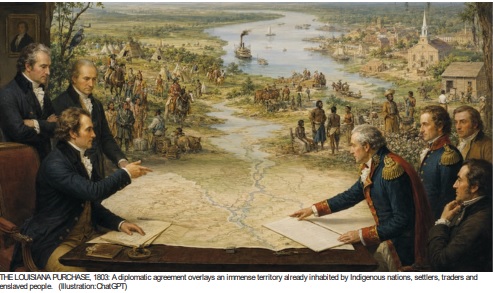
THE LOUISIANA PURCHASE
Expansion, Exploration and the Price of Growth “The republic grew across a continent already inhabited-and every mile of growth enlarged…
Read More
Expansion, Exploration and the Price of Growth “The republic grew across a continent already inhabited-and every mile of growth enlarged…
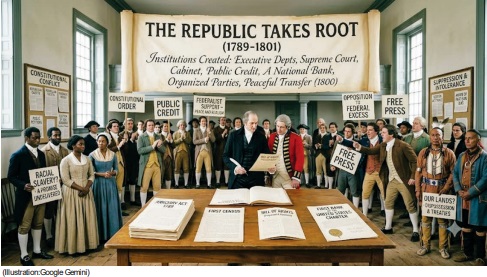
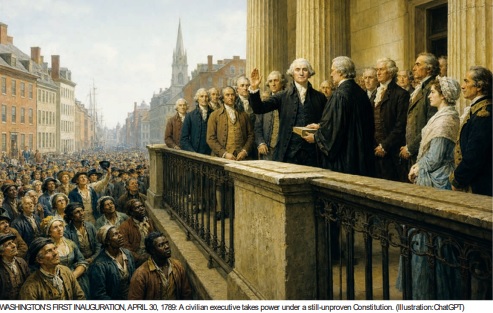
Read MoreBetween 1789 and 1801, Americans created institutions the Constitution had only sketched: departments, courts, a cabinet, public credit, a national…
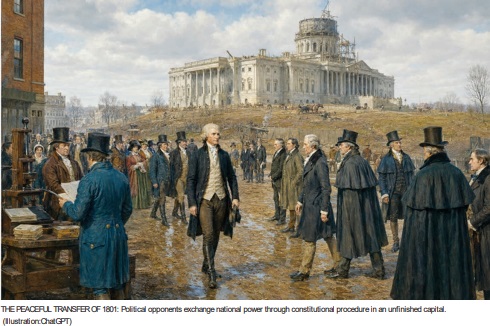
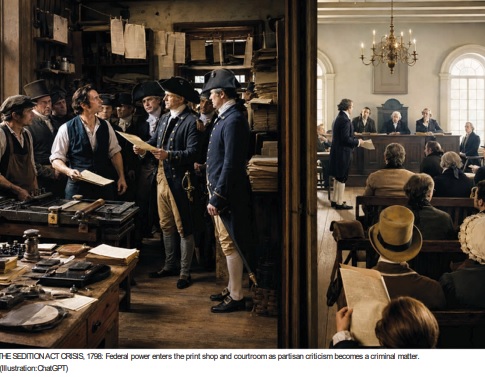
Read MoreThe election of 1800 pitted Adams against Jefferson amid fierce newspaper warfare, accusations of tyranny and warnings that either religion…
Read MoreBY Gobind Munjal As the United States celebrates the historic milestone of its 250th year of independence, I reflect with…
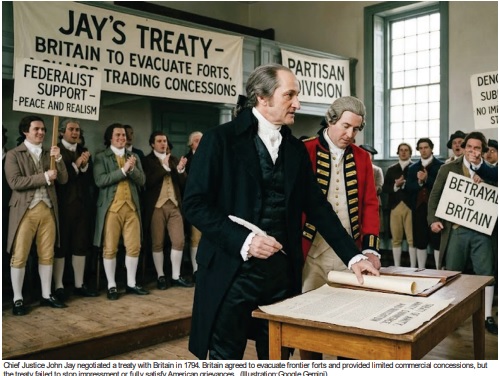
Read Moreohn Adams became president in 1797 after a bitter election. France, angered by Jay's Treaty, seized American ships. American envoys…
Read MoreThe French Revolution divided Americans. DemocraticRepublicans celebrated its republican promise; Federalists increasingly recoiled from its violence and feared radicalism at…
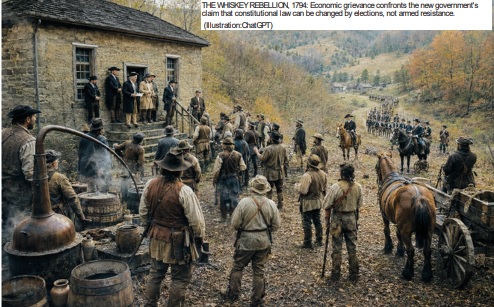
Read MoreHamilton's excise tax on distilled spirits fell heavily upon western farmers, for whom whiskey was a marketable form of grain…
Read MoreThe new government inherited conflict in the Ohio country, where Indigenous nations rejected American claims based upon the Treaty of…
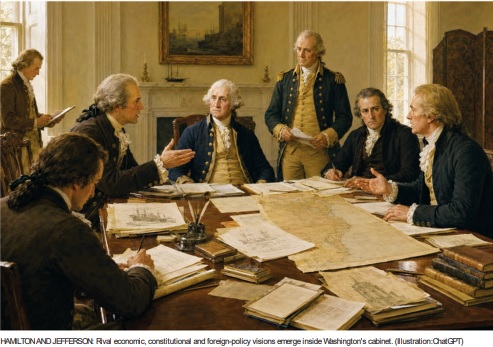
Read MoreHamilton envisioned a diversified economy of commerce, manufacturing and agriculture supported by public credit, national institutions and close trade with…
Read MoreThe Revolution left the United States burdened with national and state debts. Hamilton believed public credit was essential to independence,…
Read MoreWashington, Hamilton, Jefferson and the Test of Self-Government “The Constitution provided a framework. The first generation had to turn parchment…
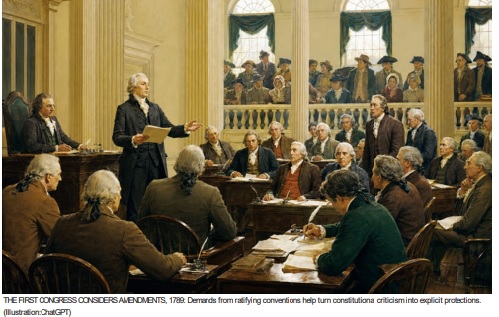
Read MoreThe Constitution is the world's oldest written national constitution still in continuous operation, but continuity has required change. Twenty-seven amendments…
Read MoreJ ames Madison introduced amendments in the First Congress, drawing upon state declarations of rights and ratification proposals. Congress sent…
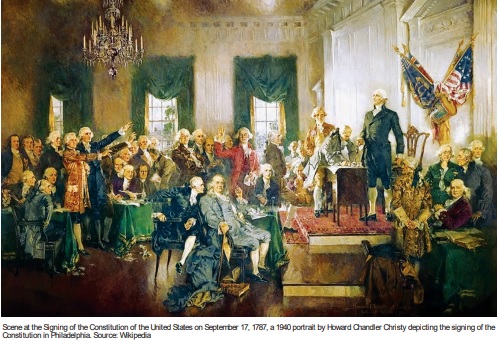
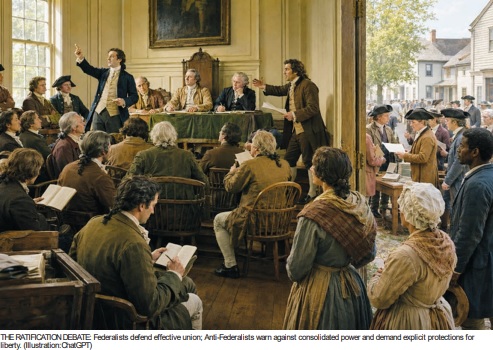
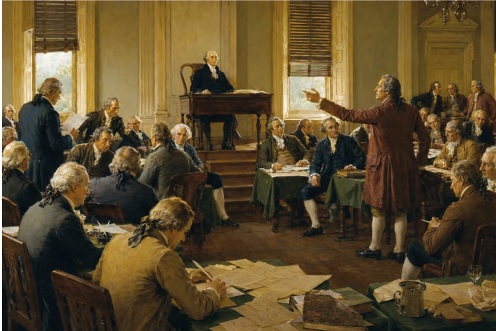
Read MoreThe Convention signed the Constitution on September 17, 1787. It would take effect after ratification by nine state conventions. The…
Read More"We the People of the United States, in Order to form a more perfect Union… The Preamble begins not "We…
Read MoreThe Constitution avoided the words slave and slavery, but it protected the institution through structure and compromise. This was not…
Read MoreThe framers sought a national government strong enough to tax, regulate commerce, conduct foreign affairs, provide defense and enforce law.…
Read MoreFifty-five delegates attended at various times; thirty-nine ultimately signed. They were lawyers, merchants, planters, physicians, soldiers and public officials-experienced and…
Read MoreThe assertion that all men are created equal was revolutionary in scope and radically incomplete in application. The political community…
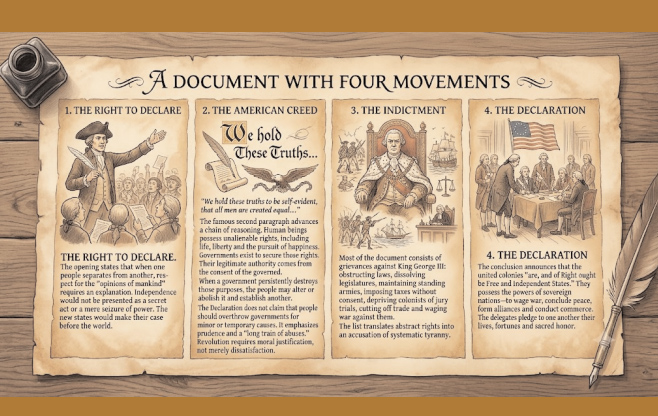
Read More1. THE RIGHT TO DECLARE The opening states that when one people separates from another, respect for the "opinions of…
Read MoreThe Idea That Gave Birth to a Nation “The war won a nation. The Declaration gave the nation its soul.”…
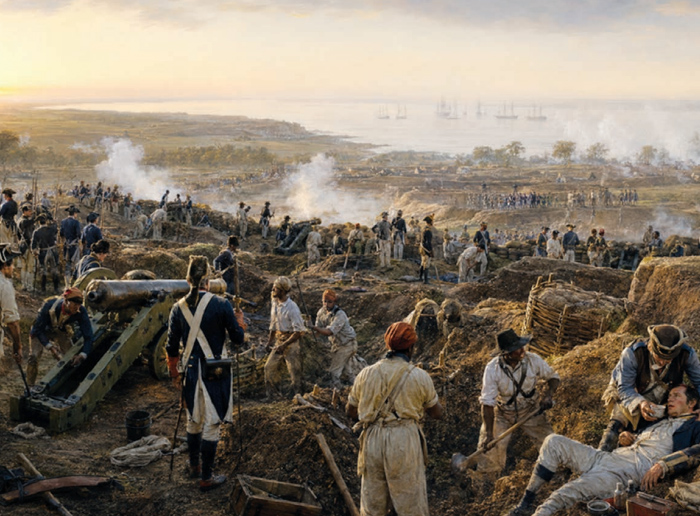
Read MoreI n 1781, British General Charles Cornwallis established a base at Yorktown, Virginia. Washington and the French commander Rochambeau moved…
Read MoreAfter failing to crush the Revolution in the North, Britain shifted its main effort southward, expecting substantial Loyalist support. Savannah…
Read MoreWOMEN Women managed farms and businesses, produced military supplies, raised funds, carried messages and cared for the sick. Camp followers…
Read MoreIn 1777, Britain pursued a plan to isolate New England by advancing from Canada down the Hudson corridor. American forces…
Read MoreBritain returned in overwhelming strength to New York during the summer of 1776. Washington's army suffered defeat on Long Island…
Read More“Independence was declared in words. It had to be sustained by sacrifice, endurance, alliance and war.” AN ARMY BEFORE A…
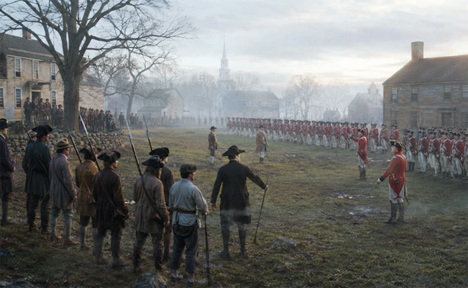
Read MoreBy early 1775, Massachusetts resistance had become organized and armed. Provincial leaders gathered military supplies at Concord; militia companies trained…
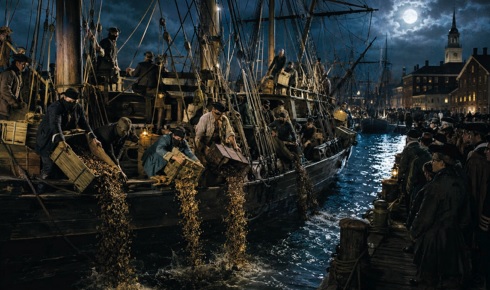
Read MoreIn 1773, Parliament passed the Tea Act. It allowed the financially troubled East India Company to sell tea directly in…
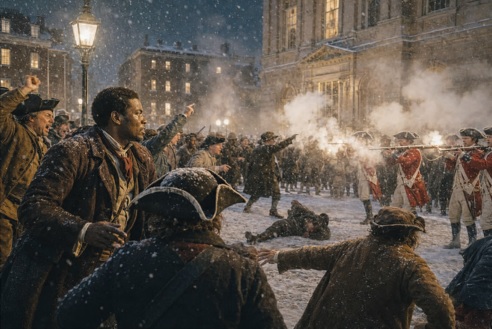
Read MoreThe Townshend duties of 1767 taxed imported glass, lead, paper, paint and tea. Colonists renewed boycotts, while customs enforcement intensified.…
Read More